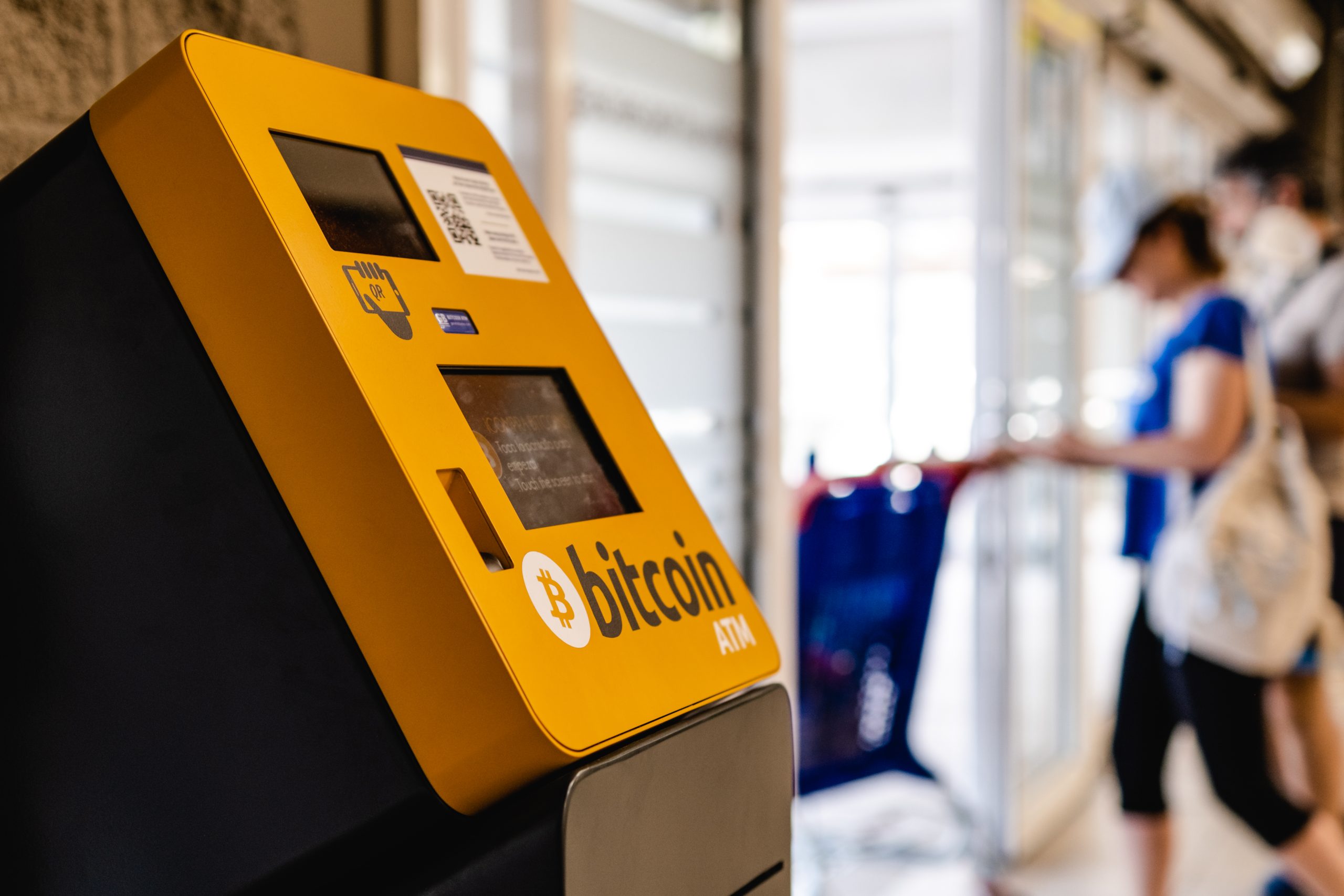
Crypto ATMs are a type of payments kiosk that allows users to buy and sell cryptocurrency. These machines are similar to traditional ATM machines, but they use cryptocurrency instead of fiat currency. Crypto ATMs typically allow users to buy Bitcoin, Ethereum, Litecoin, and other digital assets. In some cases, they may also allow users to exchange one cryptocurrency for another. Crypto ATMs are becoming increasingly popular as more people become interested in investing in cryptocurrency. They offer a convenient way to buy and sell digital assets, and they can be found in many retail locations around the world.
Politico posted an in-depth article regarding the proliferation of ATMs that can facilitate crypto transactions. The article reports that there about 34,000 of these kiosks (or “BTMs” as they are called) in existence with the vast majority of them in the U.S. This little corner of the payments industry has received a relatively light regulatory touch to date, but regulators are circling and trying to figure out how to balance the objectives of allowing cryptocurrencies to evolve and maybe flourish particularly when they serve the needs of the un-banked, but also clamp down on their use in illegal activities. I would hazard a guess that it will take some time before any specific regulation is handed down given the complexity of the issues and the lack of clarity around which agencies really regulate cryptocurrency. Here are some excerpts from the article:
Welcome to the world of cryptocurrency ATMs, also known as “BTMs” (the B is for Bitcoin), which have mushroomed in the past several years, even if most people don’t understand exactly what they’re for. The precise number of these machines in the United States seems to depend on who’s counting, but most analyses put it at about 34,000. That’s nearly 90 percent of the world’s total tally. Canada ranks a distant second with an estimated 2,500.
Crypto fans and crypto companies see the machines as an extension of the promise embodied by Bitcoin, the largest cryptocurrency: another step in the democratization of finance.
But as they’ve proliferated, state regulators across the country, and even some federal officials, have started to raise concerns. Legitimate companies may run most of these machines, but some are set up by unlicensed operators. The regulators worry that crypto ATMs can too neatly serve the interests of money launderers and fraudsters, or could hide payments to sex and drug traffickers; even for honest brokers, their fees are considerably higher than normal bank transactions. They also market themselves, sometimes aggressively, to low-income people who may not understand the risks of moving their money into cryptocurrency, which is currently in the midst of one of its intermittent crashes.
States are trying to figure out how to handle these machines at a time when they’re still grappling with what to do about crypto itself. In most states, banking officials head up the task of sorting through policy. And in most states, they haven’t yet explicitly decided that digital money trades need the same kind of money transmitting licenses that govern traditional finance.
Overview by Sarah Grotta, Director, Debit and Alternative Products Advisory Service at Mercator Advisory Group