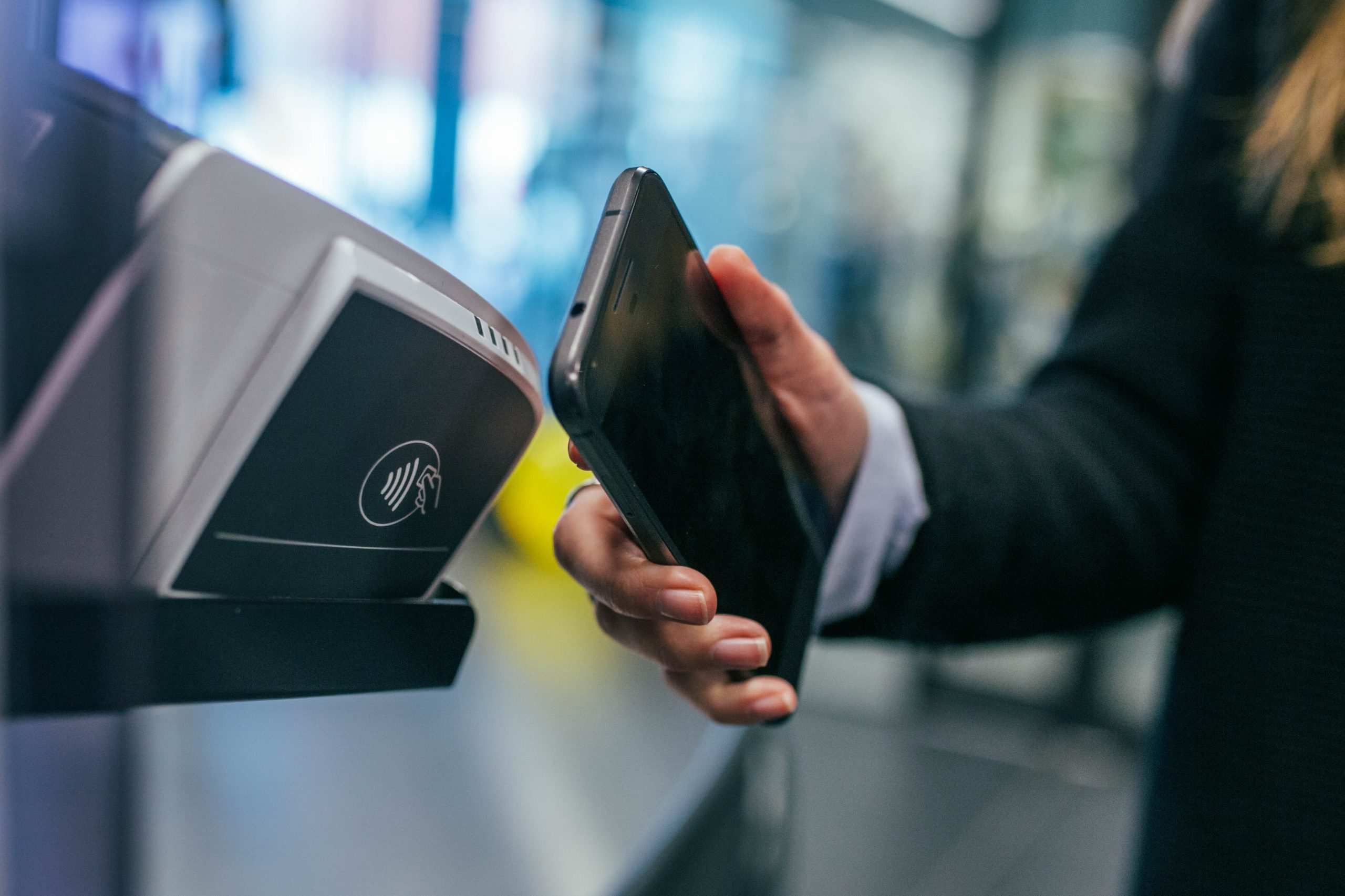
America is on a trend to go completely cashless. The Hill points out that 40% of American consumers reported to be cashless last year, meaning all their purchases were made using digital payments. In place of cash, 28% of consumers favored credit cards and 29% favored debit cards.
This could have been influenced by COVID-19; cash is seen as unsanitary and turned people off from utilizing it. COVID-19 does not spread on dollar bills, but a germophobic tendency swept the nation. Additionally, merchants set up plexiglass between the shopper and store clerk, putting a literal barrier in the way of handing cash over at the point of sale. These two factors, combined with a coin shortage of 2020, led many consumers to turn to digital payments and the behavior of using cards over cash stuck.
Benefits of a Cashless Society
A lot of the benefits to a cashless society seem to be advantages upfront. However, as they get dissected, it’s not all rainbows and sunshine. A few examples include the following:
- Convenience: It is easier to insert or tap a card or a smart device instead of counting out cash and getting loose change in return at the register. There are also perks involved with digital forms of payments such as credit card rewards. However, credit card debt is on the rise. Are people more likely to overspend when using a card over cash? Yes.
- Protection against theft: When a merchant only accepts cards, they are safeguarding themselves against cash burglary. There is no way to trace cash, so the bad guy has no trail to follow with the stolen cash. However, bad guys are getting smarter and are learning how to commit fraud on digital platforms, including many reported instances of peer-to-peer (P2P) scams.
- Curated ads: Marketers got smart with the digital age and began to curate ads based off a consumer’s preferences. With that, consumers are targeted with ads for products they would be interested in. It is a trap to the consumer who is always being marketed by a product that they want but ultimately do not need. This could lead to increased consumer debt.
Every time a card is used to pay for something, a digital trail is left behind. Banks and retailers have a vested interest in knowing how consumers spend money. Both banks and retailers alike work with marketers to predict and influence shopper behavior. It is clear, businesses highly value consumer data. Another party that is also interested in this data is the federal government.
Digital Currency
The Federal Reserve launched a centralized banking digital currency pilot program last year, which it plans to expand this year. The digital dollar flowing on government-owned rails enables the government to track and monitor consumer spend behavior. The Hill explains how the government could get direct insights around your medical conditions, political donations, personal lifestyle, how much liquor you consume and any other behaviors you would like to keep private. Even smokers might need to worry more.
This boils down to the very important question: what will they do with that information? As of now, there are no checks and balances put into place with this newly developed digital currency.
Digital currency is most efficient in a completely digitized society. In the UAE, cops are now utilizing SMS text messages for traffic fines. Cops no longer pull over the driver, they look up the registered owner by license plate and use AI to confirm the driver before texting the number registered associated with the vehicle and charging the fine.
This seems reasonable at first; the person was behaving in an unsafe manner by speeding on the highway and the government utilized technology to punish and stop the behavior, thus keeping surrounding citizens on the highway safe. However, it is taking the humanism out of the ordeal. What if that person was speeding because they were on their way to the emergency room? There are always exceptions to be made, but those exceptions have no room in an automated, digital and cashless society.
If you are a law-abiding citizen, you may believe you have nothing to worry about. In the U.S., we follow the principle that people are innocent until proven guilty. However, innovation with digital currency such as automated fines and temporary holds on bank accounts may not always follow that principle. Some digitized societies follow the principle of guilty until innocence is proven.
There is no stopping a cashless society. However, it is imperative that protections are set into place for consumers before the cons outweigh the pros.
Overview by Sophia Gonzalez, Research Analyst, Debit Advisory Service at Mercator Advisory Group.